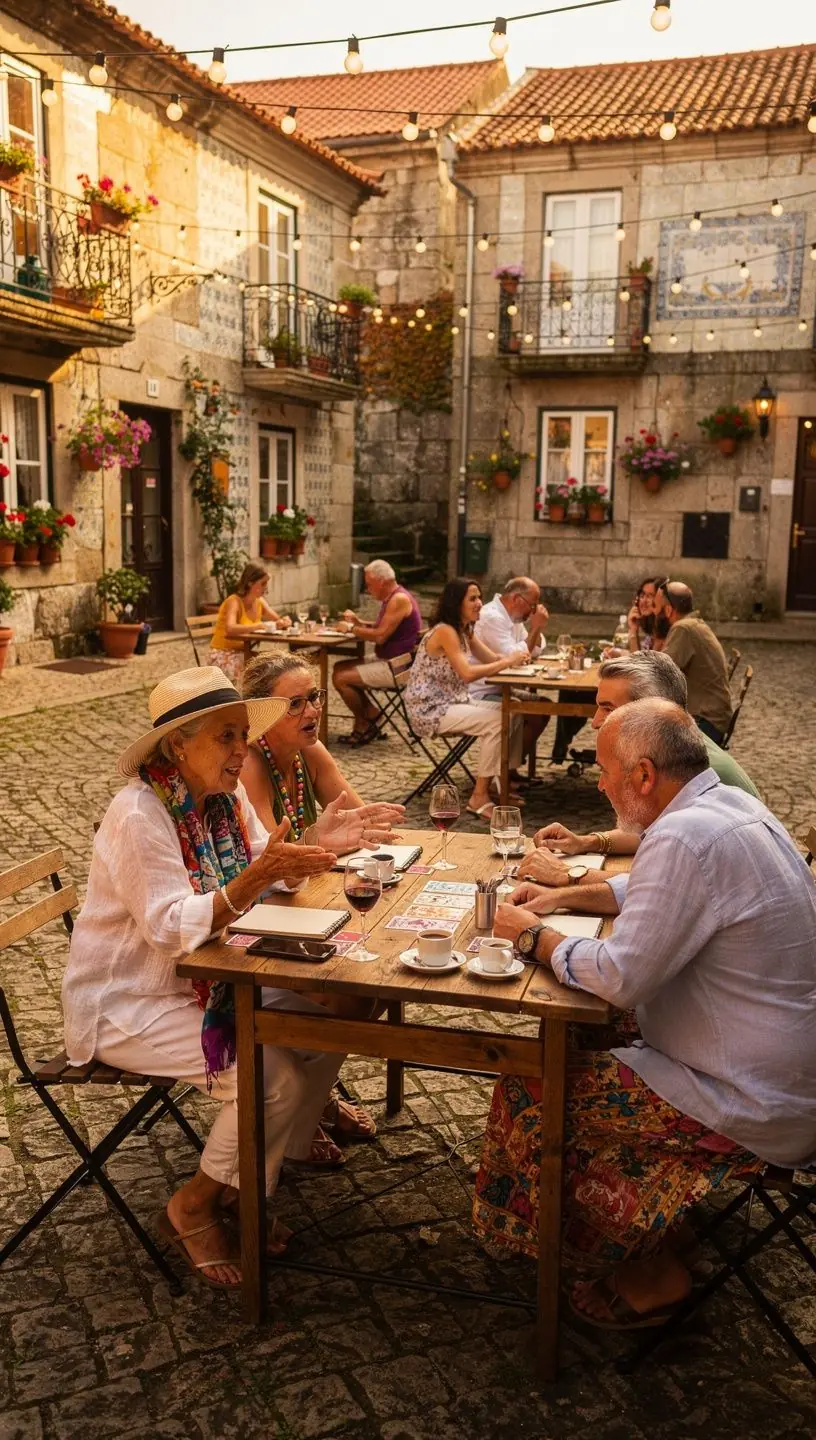
How to Balance Competition and Fun in Game Nights
Navigating the delicate balance between competition and enjoyment in game nights can significantly enhance the experience for participants, particularly for adults aged 40-60. This article explores effective strategies to create an atmosphere that fosters both competitive spirit and camaraderie.
Understanding the Dynamics of Game Nights
Game nights often serve as a social gathering, where participants engage in a variety of games that require strategic thinking and social interaction. According to research by the American Psychological Association, engaging in social games can lead to enhanced social bonds and improved emotional well-being among adults. This is crucial, especially for older adults who may seek more meaningful interactions.

"Balancing competition with fun leads to a more rewarding game night experience, keeping players engaged and satisfied."
Creating a Fun Yet Competitive Environment
To achieve a successful balance, consider the following strategies:
- Establish Clear Rules: Clearly outlined rules can minimize confusion and help participants understand the game's competitive aspects. According to industry best practices, games with transparent objectives enhance player satisfaction.
- Incorporate Cooperative Elements: Many experts recommend including team-based challenges or tasks that require collaboration. This approach can mitigate overly intense competition and promote teamwork, which is especially beneficial in mixed-experience groups.
- Encourage Friendly Banter: Light-hearted joking and friendly competition can create a relaxed atmosphere. Research suggests that humor can play a crucial role in social interactions, fostering relationships and reducing stress.
Recognizing Individual Preferences
It's vital to acknowledge that not all players have the same tolerance for competition. According to a study published in the Journal of Social Psychology, individual preferences greatly influence game dynamics. Here are some considerations:
- Gauge Player Experience: Newcomers may feel intimidated by competitive games. Tailoring your game selection to accommodate varying skill levels can enhance inclusiveness.
- Solicit Feedback: Actively asking players about their preferences can help you adjust the level of competitiveness. This practice not only empowers players but also fosters a more enjoyable gaming environment.
- Balance Game Length: Research indicates that games lasting too long can lead to fatigue, diminishing enjoyment. Keeping games concise allows for multiple rounds and varied interactions, which can refresh competitive spirit without overwhelming players.
Conclusion
Balancing competition and fun in game nights isn't just about choosing the right games; it's about creating an inclusive environment where all participants feel comfortable and engaged. By implementing these strategies, you can enhance the overall experience, making game nights enjoyable for everyone involved. Remember, fostering community and connection is often just as important as the competition itself.